Skip to content
SAMRIN Tea

The story

A new tea, told plainly.

One region, one factory, and a cup strong enough to be worth talking about. Everything here is something we can stand behind.
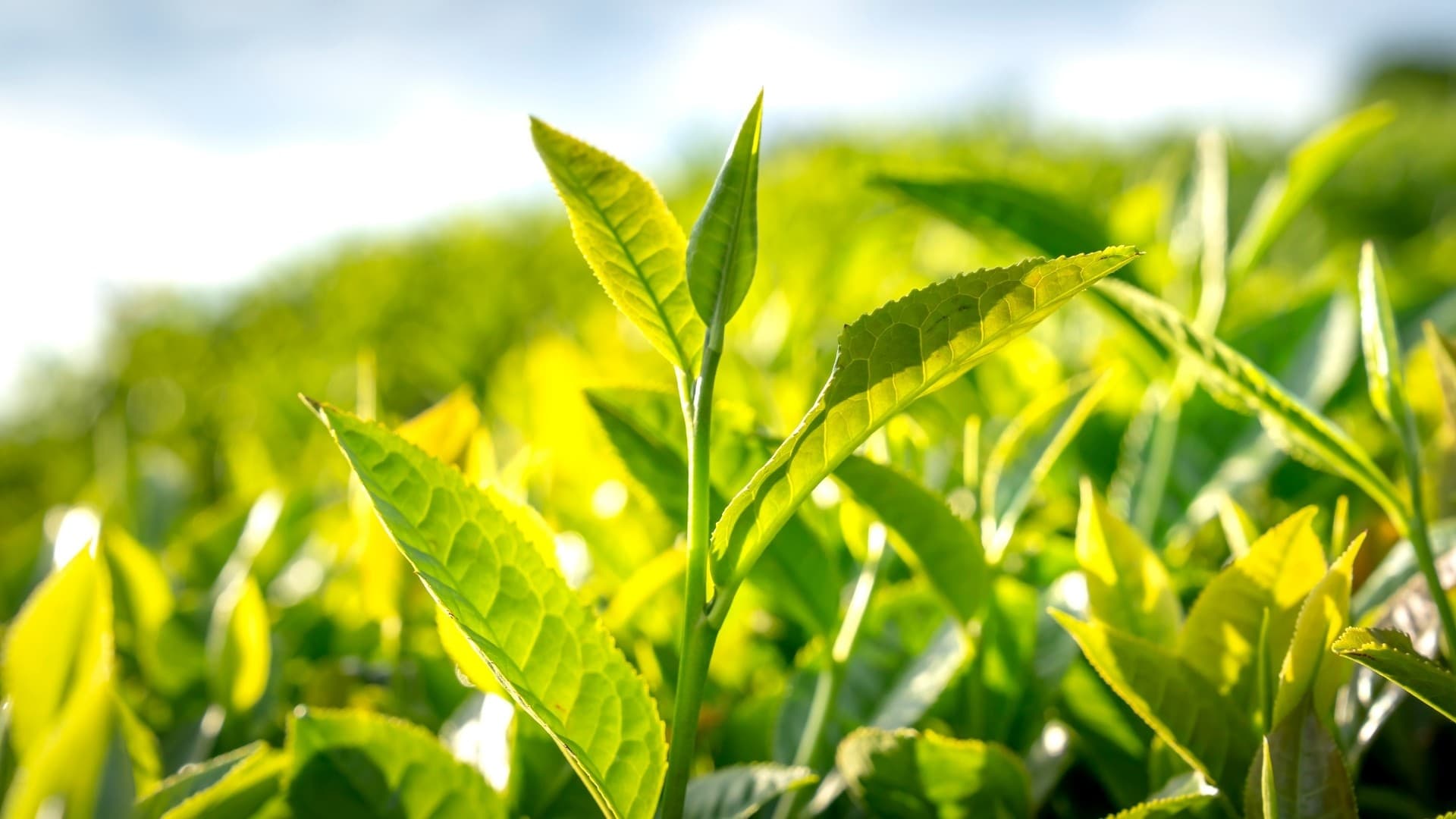
  • Fresh tea leaves in bright sunlight on a tea bush

    Ruhuna

    Ruhuna is part of Sri Lanka's low-grown tea area, where warm conditions suit richly coloured black tea.
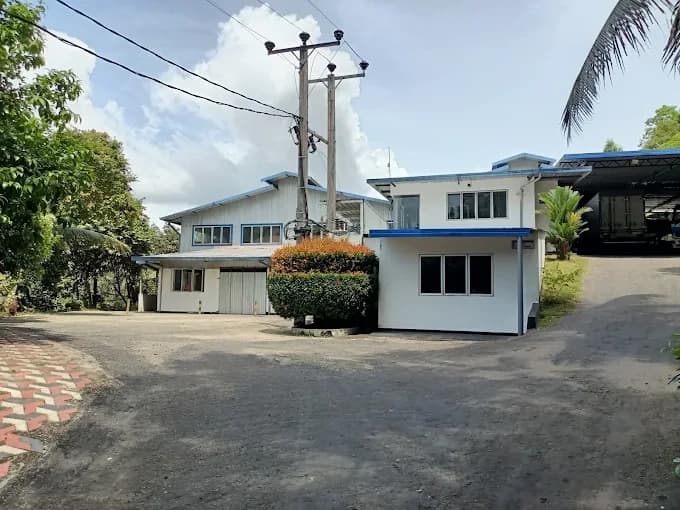
  • A white two-storey factory building with a blue roof, seen across a paved yard with trees around it

    One factory

    Samrin Tea Factory, Nakiyadeniya, Galle district.

  • A clear glass cup of amber tea on a square of woven burlap, with fresh green leaves beside it

    Your cup

    Milk tea or plain: your usual way of drinking tea is the best guide.

  • One known factory

    Samrin tea comes from one identified factory in Ruhuna, so the source behind the tea is easy to understand.

  • Not blended across regions

    It is not mixed with teas from unrelated factories or regions simply to create a standardised profile.

  • Tea bags, transparently

    Samrin Tea Factory does not currently have tea-bagging machinery, so the tea travels a short distance to a nearby specialist packing facility.

Ruhuna

Why Ruhuna tea is special

Ruhuna is known for deep colour, full body and a strong, distinctive flavour. It is the rich and satisfying tea style many Sri Lankan drinkers already enjoy.

Ceylon teas do not all taste the same. Sri Lanka has seven recognised tea-growing regions, each with its own cup character. Ruhuna is part of the country's low-grown tea area, where warm conditions help produce richly coloured, full-flavoured black tea.

In your cup, this can mean a deep liquor, satisfying body and a robust character that remains noticeable with milk. Ruhuna gives Samrin a recognisable regional identity rather than only the broad description Ceylon Tea.

The factory

Nakiyadeniya, Galle district

Samrin Tea Factory is in Nakiyadeniya in the Galle district, within the tea-growing landscape between the Kanneliya, Dediyagala and Kottawa forest areas.

The tea is unblended: it is not mixed with teas from unrelated factories or regions. The loose tea is packed at the same factory, which reduces unnecessary transfers.

Quality & freshness

Our quality and freshness focus

The tea is manufactured under Samrin Tea Factory's ISO 22000:2018-certified food-safety management system and packed at the same factory.

Samrin Tea Factory's ISO 22000:2018 certification covers black-tea manufacture from withering to sifting. The finished loose tea is then packed at the same factory, keeping the journey from finished tea to sealed pack short and easier to oversee.

Tea can absorb moisture and nearby odours and can gradually lose aroma during storage. We therefore pay attention to the condition of the tea at packing, storage, packaging materials and seal integrity. The pack is selected to help reduce exposure to moisture, air, light and strong odours. After opening, close the pack tightly and keep it in a cool, dry place away from sunlight and strong smells.

Tea bags

Tea bags, transparently

The tea comes from one known Ruhuna factory and is not mixed with teas from unrelated factories or regions. It is tea-bagged at a nearby specialist facility using Samrin's quality and freshness requirements.

Samrin selects the tea at its identified factory in Ruhuna. Keeping the factory source clear helps preserve the connection to the tea's regional and natural character, although small seasonal changes may still be noticeable.

Samrin Tea Factory does not currently have tea-bagging machinery, so the tea travels a short distance to a nearby specialist packing facility. Our process sets requirements for protected transfer, suitable packaging materials, secure seals, storage and batch identification. This allows us to offer convenient tea bags while keeping the source clear and maintaining a strong focus on freshness.

Tea-bag packing is a separate step carried out at a specialist facility, so the ISO 22000:2018 certification of Samrin Tea Factory covers the manufacture of the tea, not the tea-bagging.

Visit the factory

See where Samrin is made

Factory visits are planned from November 2026. See where Samrin tea is made, learn how fresh green leaf becomes black tea and taste Ruhuna tea close to its source.

Samrin Tea Factory is in Nakiyadeniya in the Galle district, within the tea-growing landscape between the Kanneliya, Dediyagala and Kottawa forest areas. Visiting gives customers a chance to see the place and meet the people behind the tea.

Planned visits will explain how fresh green leaf becomes black tea, introduce different tea grades and let visitors experience Ruhuna tea at its source. Opening dates, activities and booking arrangements will be confirmed before visits begin. Contact Samrin to register your interest.

Register your interest

The companies

Who is behind Samrin

Manufactured by
Samrin Holdings (Pvt) Ltd
Samrin Estate, Nakiyadeniya, Galle
Distributed by
Geo Consumer Solutions (Pvt) Ltd
62B, Hiripitiya, Pannipitiya

MF 1543 · Packer registration TC/LC/PR/1371 · Consumer care +94 71 77 45 777

Chat with us